2026-09-14
When is the Best Time for Revision Rhinoplasty? A Complete Guide to Rhinoplasty Side Effects and Solutions!
Explore the optimal timing for revision rhinoplasty, common complication symptoms like contracture and redness, and essential factors to consider before surgery.
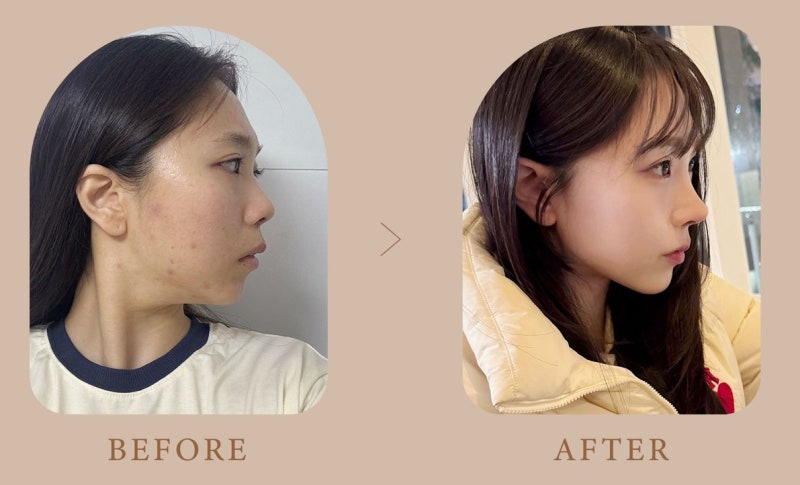
Hello, this is Want Plastic Surgery.
Although rhinoplasty is a relatively popular cosmetic procedure,
not all results turn out satisfactory.

As time passes, shapes may alter,
or unexpected side effects can emerge,
leading quite a few individuals to consider revision rhinoplasty.
Particularly after the primary surgery,
many worry, wondering, "Is this a normal recovery process, or is it a complication?"
Here is a detailed guide covering typical side effect symptoms prompting secondary surgery,
the optimal timing for a revision,
and key factors you must check beforehand.
Take note if you experience any of these symptoms after rhinoplasty!
Immediately after surgery, swelling, bruising,
and temporary discomfort are part of the
natural healing journey.
However, if sufficient time has passed
and the following symptoms persist,
it is strongly recommended to consult a specialist.
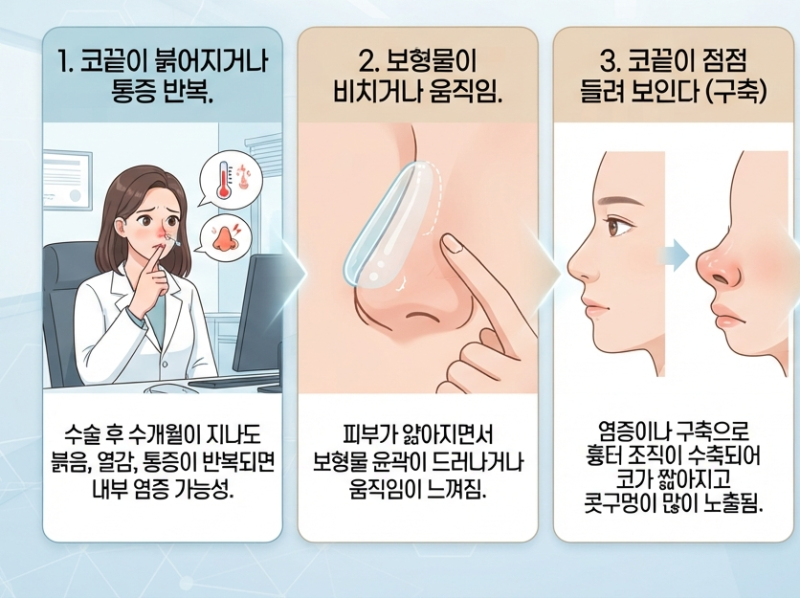
1. Persistent redness or recurring pain in the nasal tip.
If months have passed since your surgery
and your nasal tip frequently reddens,
accompanied by recurring heat
or throbbing pain,
it is crucial to check for potential internal inflammation.
2. The implant is visible or feels movable.
As the skin over the nasal bridge thins,
the outline of the silicone implant can become visible,
or you may feel the implant shifting
when touched.
In such instances, skin stress may intensify over time,
making an accurate medical evaluation essential.
3. The nasal tip progressively turns upward.
This is one of the most common reasons for revision surgery.
As inflammation or capsular contracture progresses,
the internal scar tissue tightens and contracts,
pulling the nasal tip upward.
This can make the nose appear shorter and expose more of the nostrils.
Even if changes are subtle at first,
they may gradually worsen over time.
Check point!
If abnormal symptoms persist following nose surgery,
rather than simply assuming "it will get better with time,"
it is crucial to seek a thorough,
accurate diagnosis.
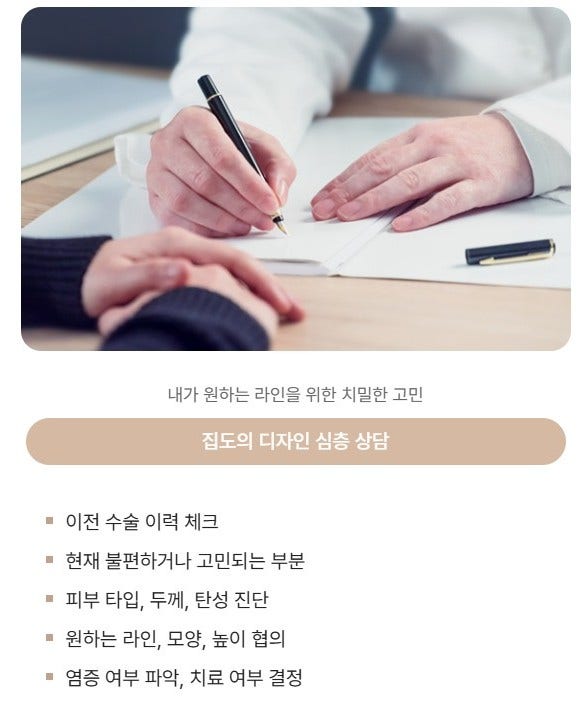
When is the best time for revision rhinoplasty?
Deciding to undergo revision surgery
does not mean you can operate immediately!
The internal tissues of the nose must settle
and stabilize sufficiently
to ensure a safer and more precise revision.
Standard Revision Timing
Generally, it is advised to wait at least
6 months after the initial surgery.
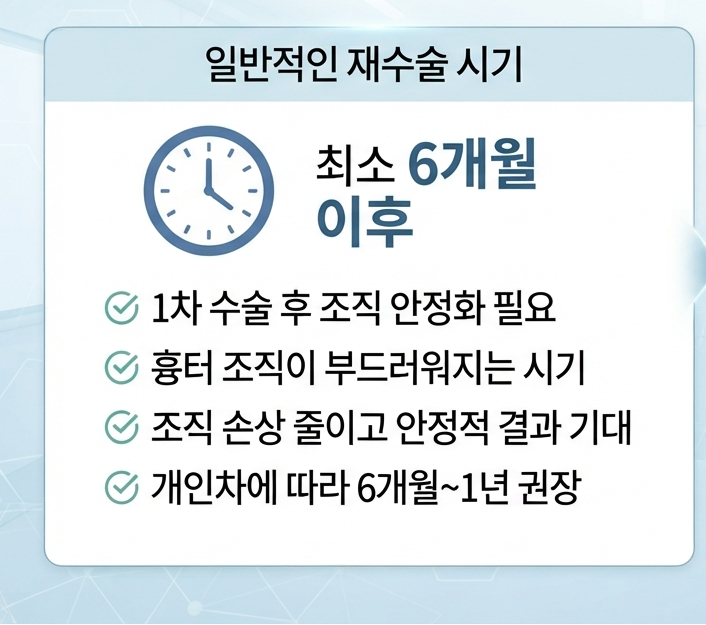
The scar tissue inside the nose goes through a process
of firming up before softening again over time.
Performing surgery during this softened phase
helps minimize tissue trauma and allows for
more predictable, stable outcomes.
Depending on individual recovery rates,
some patients may need to wait
anywhere from 6 months to a full year.
3 Critical Things to Check Before Revision Rhinoplasty!
Does the clinic accurately analyze the root cause of the initial failure?
Revision surgery is not simply about
raising the height of the nose again.
Identifying precisely why the problem occurred
is the most crucial first step.
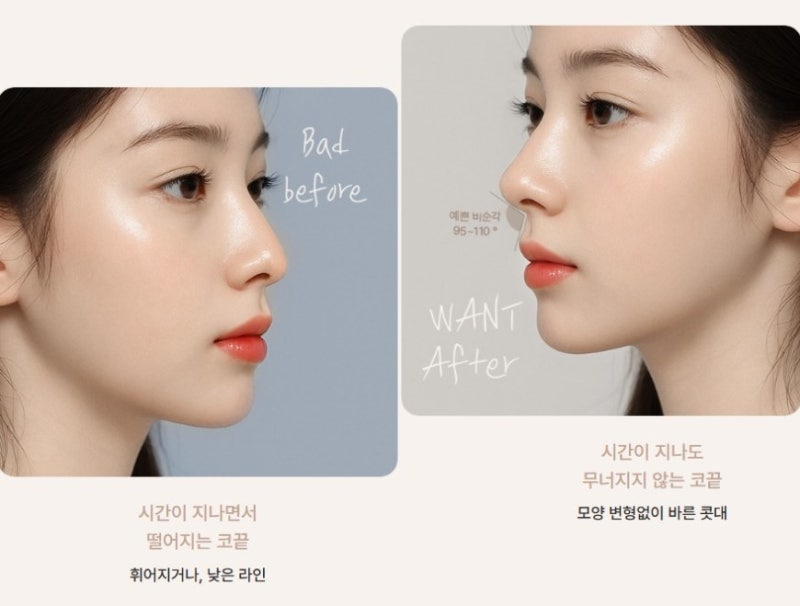
Implant positioning issues, lack of tip support, contracture, inflammation, asymmetry, and skin condition
must all be thoroughly analyzed
to formulate an appropriate surgical plan.
Are the materials chosen tailored to your current nasal condition?
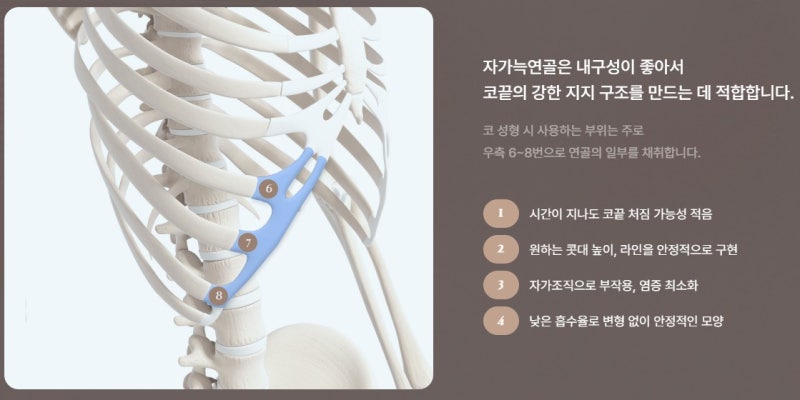
If you have experienced inflammation or contracture after your first surgery,
utilizing autologous tissue instead of synthetic implants
may be actively considered.
Autologous rib cartilage, ear cartilage, donated rib cartilage, autologous dermis
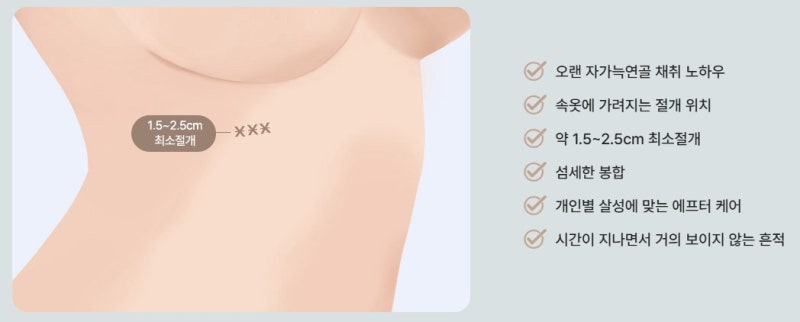
A wide variety of materials are available,
and the optimal choice is determined
by thoroughly assessing your nasal anatomy,
skin thickness, and previous surgical history.
Does the surgical team have extensive revision experience?
Revision rhinoplasty involves
a significantly higher level of complexity than primary surgery.
Because existing scar tissue must be dissected
and the underlying framework reconstructed,
extensive clinical experience and profound anatomical expertise are vital.
Rather than merely comparing before-and-after photos
or pricing,
evaluating how accurately and clearly the surgeon analyzes
your current condition during consultation
serves as an excellent benchmark.
A thorough consultation is the most important step in revision rhinoplasty.
Revision rhinoplasty is not just about altering aesthetics;
it is a process of restoring function alongside form
while fully respecting the state of the existing tissues.
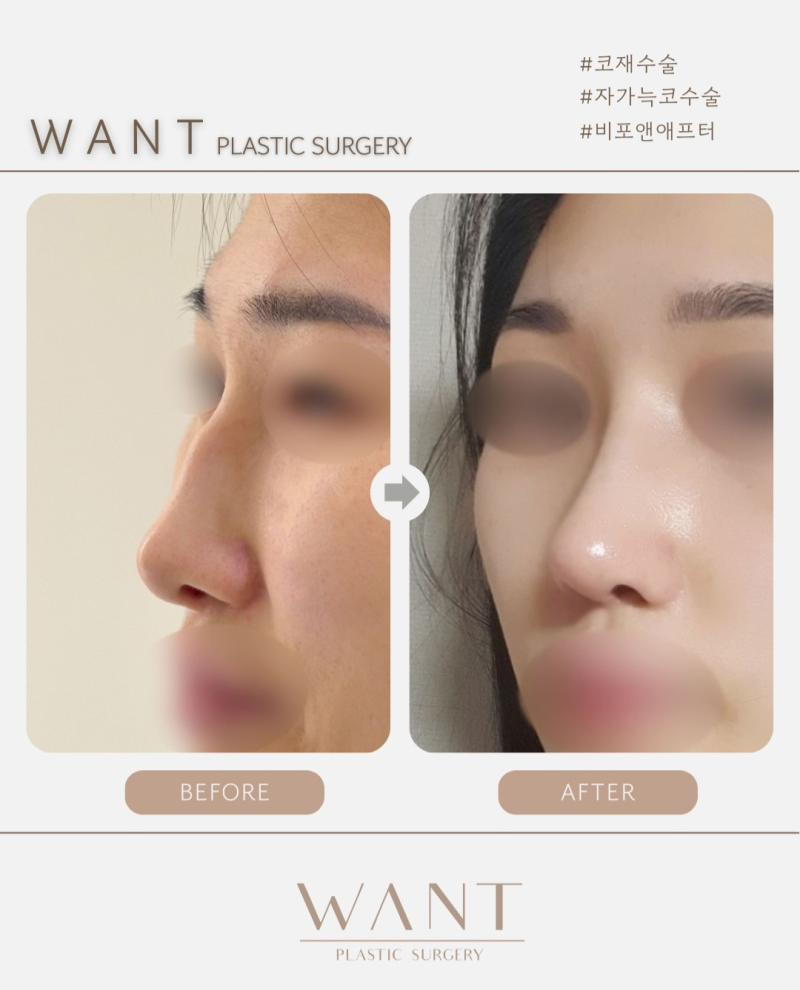
Since every individual has distinct skin thickness, tissue conditions,
and previous surgical techniques,
a single standardized approach cannot be the right answer for everyone.
Receiving an accurate diagnosis of your current nasal condition
through in-depth consultation
and developing a personalized surgical strategy
is paramount.
Redness, contracture, visible implants,
and asymmetry post-surgery each require different treatment approaches
depending on their underlying causes.
Rather than attempting to self-diagnose,
obtaining an accurate professional evaluation
is your essential first step toward a satisfying outcome.

If you are considering revision rhinoplasty,
we encourage you to discover the right approach tailored to you
through a comprehensive consultation.
Feel free to reach out anytime
if you would like to book a consultation.
[KakaoTalk Plus Friend Consultation]
Want Plastic Surgery Clinic
Your Want is Our Want.
pf.kakao.com
[Naver Reservation]
https://m.booking.naver.com/booking/13/bizes/1450109?theme=place&lang=ko&area=ple

[ Official Instagram ]
Surgical results may vary by individual,
and potential complications such as bleeding and infection may occur.
Frequently Asked Questions
When is the best time to undergo revision rhinoplasty after the primary surgery?
Generally, it is advised to wait at least 6 months after the initial surgery. Internal scar tissue must go through a hardening and subsequent softening phase to stabilize, minimizing tissue damage. Depending on personal recovery speed, waiting between 6 months to a full year may be necessary.
My nasal tip is red and throbbing after rhinoplasty. Is this a complication?
Yes, it could indicate underlying internal inflammation. While bruising and swelling immediately after surgery are natural healing responses, frequent redness accompanied by warmth and throbbing pain months post-op warrants an evaluation by a specialist for an accurate diagnosis.
What should I do if contracture causes my nasal tip to pull upward?
You should consult a specialist immediately for an accurate examination and diagnosis. When inflammation or contracture causes scar tissue to shrink, it pulls the nasal tip upward and can lead to excessive nostril exposure. Instead of waiting for it to resolve on its own, pinpointing the exact cause is critical.
What materials can replace synthetic implants during revision rhinoplasty?
Various autologous tissues can be considered, including autologous rib cartilage, ear cartilage, donated rib cartilage, and autologous dermis. If you experienced inflammation or contracture after your first surgery, autologous grafts may be preferred over synthetic implants, determined based on your skin thickness and overall nasal state.